


Description
Product Overview
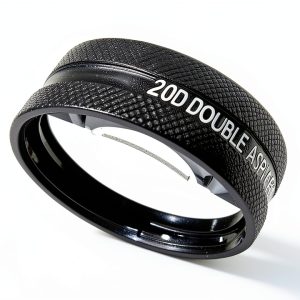
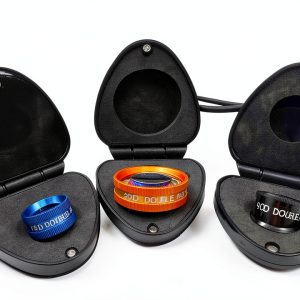
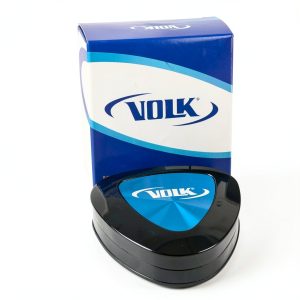
The Volk V28LC ophthalmoscope is engineered to provide clinicians with an expansive, high‑definition view of the retina, extending from the central macula out to the equatorial periphery. Built around a precision‑ground lens system, the instrument delivers consistent image quality even when the pupil is constricted, making it especially valuable in neonatal and pediatric examinations where small pupils are common. The device’s compact 3.2 × 2.9 × 1.7 inch package and lightweight 1.6‑ounce construction reduce hand fatigue during prolonged procedures, while the ergonomic grip ensures stable handling. Manufactured by Volk, a trusted name in ophthalmic instrumentation since the early 20th century, the V28LC meets rigorous industrial and scientific standards, as reflected in its #11 ranking among ophthalmoscopes on major retail platforms.
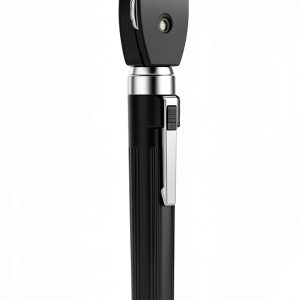
![[Product front view showing all components]](https://www.dessertzone.store/wp-content/uploads/2026/06/b9c936b886c7462380288e94465a7c0f.jpg)
One of the standout attributes of the V28LC is its wide‑field capability, which enables visualization past the mid‑periphery to the retinal equator and even the far periphery during dynamic examinations. This broad field of view is achieved through an optimized optical design that balances lens curvature and refractive power, allowing clinicians to detect peripheral retinal defects, retinopathy of prematurity (ROP) zones, and subtle vascular changes without needing to switch instruments. The instrument also incorporates a short working distance, facilitating rapid lens manipulation and quick scanning of the fundus, which is critical in time‑sensitive settings such as neonatal intensive care units.
The V28LC is offered in two configurations to suit different sterilization protocols: an autoclave‑compatible sterilizable (ACS) version and a single‑use disposable model. The ACS design complies with standard steam sterilization cycles, enabling the same instrument to be safely reused across multiple patients while maintaining optical clarity. For facilities that prefer a sterile‑out‑of‑the‑box solution, the single‑use variant eliminates the need for reprocessing, reducing turnaround time and minimizing cross‑contamination risk. Both versions retain the same optical performance, ensuring that the choice of sterilization method does not compromise diagnostic accuracy.
Technical specifications further reinforce the V28LC’s suitability for demanding clinical environments. The device carries the model number V28LC and is identified by ASIN B01AH5F25A for easy reference in inventory systems. Its robust construction has earned a customer rating of 4.8 out of 5 stars from seven verified reviewers, reflecting high satisfaction with image quality, durability, and ease of use. First introduced to the market on January 11, 2016, the V28LC continues to be a best‑selling item in the industrial and scientific category, underscoring its lasting relevance and reliability.
Usage
The V28LC excels in neonatal retinal screening, where rapid, reliable visualization of the peripheral retina is essential for early detection of retinopathy of prematurity. Its ability to produce clear images through small pupils allows ophthalmologists and neonatologists to perform thorough examinations without pharmacologic pupil dilation, thereby reducing patient stress and procedural time. In addition, the instrument’s lightweight design and balanced ergonomics make it comfortable for clinicians to hold steady while navigating the delicate ocular surface of premature infants.
In adult ophthalmology, the V28LC serves as a versatile tool for routine fundus examinations, diabetic retinopathy assessments, and glaucoma monitoring. The wide‑field optics enable practitioners to capture comprehensive retinal panoramas in a single glance, facilitating documentation and comparison over successive visits. The short working distance also supports quick transitions between central and peripheral views, which is advantageous during laser photocoagulation procedures where precise targeting of peripheral lesions is required.
The instrument is equally valuable in research settings, where consistent image quality across multiple subjects is paramount. Its autoclave‑compatible version meets institutional biosafety standards, allowing researchers to share the device among study participants without compromising sterility. Moreover, the single‑use option provides a cost‑effective alternative for short‑term studies that demand disposable equipment to avoid cross‑contamination.
Beyond clinical environments, the V28LC can be employed in tele‑ophthalmology programs that rely on high‑resolution fundus photography. By pairing the ophthalmoscope with a compatible camera adapter, clinicians can capture and transmit detailed retinal images to remote specialists for second opinions, expanding access to expert care in underserved regions. The instrument’s durable construction ensures reliable performance even in field deployments where environmental conditions may be less controlled.
Overall, the V28LC’s adaptability across neonatal, adult, research, and tele‑medicine applications makes it a cost‑effective investment for hospitals, eye clinics, and academic institutions seeking a single ophthalmoscope that can address a broad spectrum of diagnostic needs.
Why Choose Us
Choosing the Volk V28LC means selecting a product backed by more than a century of optical expertise. Volk’s commitment to quality is evident in the meticulous manufacturing processes, rigorous testing, and continuous refinement of lens coatings that reduce glare and enhance contrast. Each unit undergoes a comprehensive quality assurance protocol before leaving the factory, ensuring that every clinician receives an instrument that meets exacting performance standards.
The V28LC’s dual‑sterilization options provide flexibility for institutions with varying infection control policies. Whether a facility prefers reusable instruments that withstand repeated autoclave cycles or single‑use devices that eliminate reprocessing, the V28LC delivers identical optical performance. This versatility reduces the need for multiple instrument inventories, simplifying procurement and inventory management.
Customer support is a cornerstone of Volk’s service model. Purchasers gain access to a dedicated technical assistance team that can help with device setup, maintenance, and troubleshooting. In addition, Volk offers a comprehensive warranty and optional service contracts that cover calibration, parts replacement, and on‑site repairs, ensuring minimal downtime and sustained clinical productivity.
The instrument’s design also emphasizes durability. Constructed from high‑grade stainless steel and impact‑resistant polymer components, the V28LC resists corrosion and mechanical wear, extending its service life even under heavy daily use. This robust build quality translates into lower total cost of ownership compared with cheaper, less durable alternatives.
Finally, the V28LC’s user‑friendly interface, featuring intuitive focus controls and clear illumination settings, shortens the learning curve for new users while enhancing efficiency for seasoned practitioners. The combination of superior optics, ergonomic design, and reliable support makes the V28LC a prudent choice for any eye care provider.
Key Features
- Wide‑field optics that reach the retinal equator, enabling comprehensive peripheral examinations without additional lenses.
- Optimized for small pupils, delivering sharp, high‑contrast images even when the aperture is limited, ideal for neonatal and pediatric screenings.
- Compact, lightweight construction with ergonomic grip reduces hand fatigue and allows precise lens manipulation during fast examinations.
- Available in autoclave‑compatible sterilizable or single‑use configurations, providing flexibility to meet diverse infection‑control protocols.
- Backed by Volk’s dedicated after‑sales support, warranty coverage, and optional service contracts for ongoing maintenance and rapid issue resolution.
FAQ
Can the V28LC be used on patients with very small pupils without dilation?
Yes, the V28LC’s optical design is specifically optimized for small pupil examinations. The lens system maintains high contrast and resolution even when the pupil is constricted, allowing clinicians to obtain clear retinal images without the need for pharmacologic dilation, which is especially beneficial in neonatal and pediatric settings.
What sterilization methods are recommended for the autoclave‑compatible version?
The autoclave‑compatible (ACS) version of the V28LC is designed to withstand standard steam sterilization cycles. Manufacturers recommend a typical autoclave setting of 121°C (250°F) for 15‑20 minutes, followed by a proper drying phase. This process effectively eliminates microbial contaminants while preserving the instrument’s optical clarity and mechanical integrity.
How does the wide‑field capability compare to other ophthalmoscopes on the market?
The V28LC provides a wider field of view than many conventional ophthalmoscopes, reaching the retinal equator and allowing visualization of far‑peripheral pathology in a single glance. This advantage reduces the need for multiple lenses or repositioning, streamlining examinations and improving diagnostic confidence, particularly for conditions like retinopathy of prematurity and peripheral retinal tears.
Is there a camera adapter available for retinal photography?
Yes, Volk offers a compatible camera adapter that attaches to the V28LC, enabling high‑resolution fundus photography. The adapter integrates seamlessly with standard ophthalmic imaging systems, allowing clinicians to capture, store, and share retinal images for documentation, tele‑medicine consultations, and longitudinal patient monitoring.


Reviews
There are no reviews yet.